

In: Blog
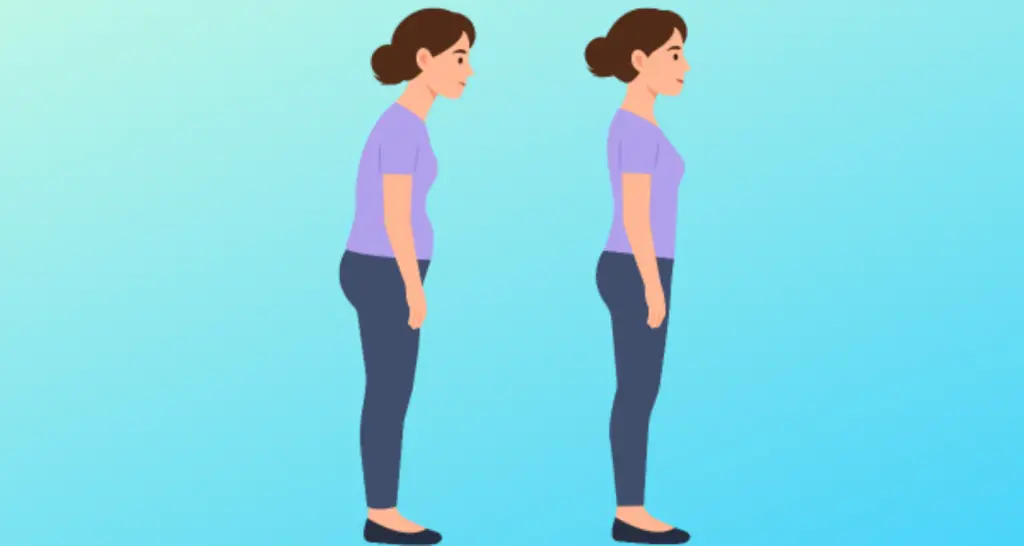
Can Hypopressives Reduce Belly Fat? The Science Every Woman Should Know
November 20, 2025Hypopressive exercises activate the deep abdominal layer (transversus abdominis) and pelvic floor, creating an internal “corset effect.”
This reflexive activation draws the waist inward, improves spinal stability, and enhances the appearance of a flatter, elongated abdomen, without increasing pressure or risking pelvic floor strain.
Clinical and observational data show that regular practice improves waist circumference, posture, and body awareness, contributing to a more defined silhouette and better functional strength.

Hypopressives: The Science Behind a Smaller Waist and Stronger Core
November 13, 2025Why do so many women want a smaller waist and why is it so hard to achieve?
Waist shape reflects not only body fat but also posture, breathing mechanics, fascia tone, and stress balance.
As women move through life from postpartum recovery to perimenopause and menopause, hormonal and connective tissue changes can cause the waistline to feel wider or less defined.
Research shows that increased abdominal pressure, stress-related cortisol, and decreased collagen elasticity all influence how the waist looks and feels.

Why Your Pelvic Floor Isn’t Just About Kegels — The New Science Behind Hypopressive Training
November 10, 2025The pelvic floor is a complex group of muscles, ligaments and fascia that supports the pelvic organs (bladder, uterus, rectum) and helps regulate functions such as urinary continence, bowel control and sexual intimacy. Over time and under various stresses, this system can malfunction — a condition commonly referred to as pelvic floor dysfunction (PFD).
Read More
Protecting Your Health from Plastics: What Every Family Should Know About BPA, Breast Cancer, and Safe Living
October 27, 2025By Dr. Alexandra Chaux, Doctor of Physical Therapy, Helping You Move, Heal, and Live in Balance
Read More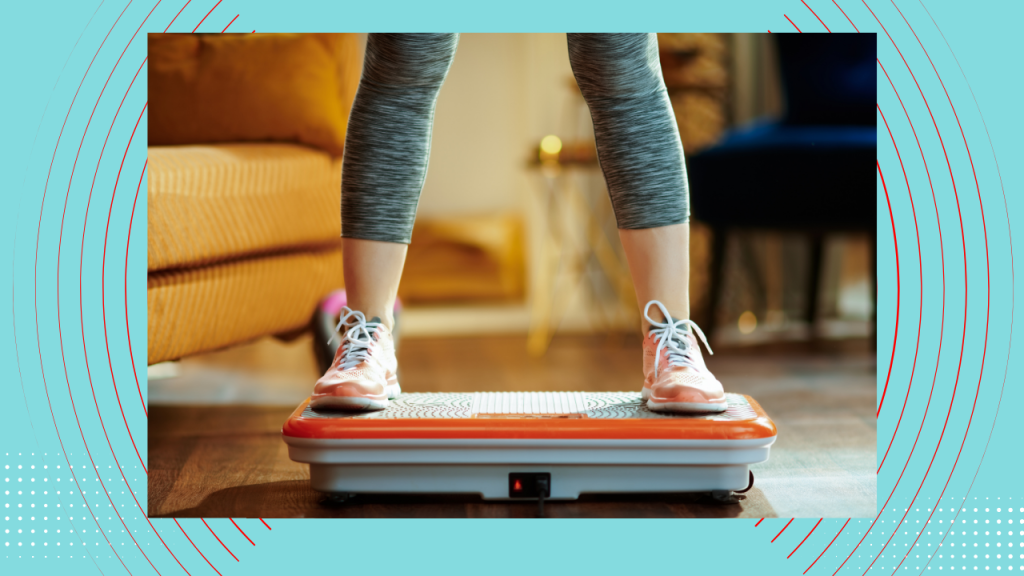
Shaking Up Oncology Rehab: How Whole-Body Vibration Helps Survivors Thrive
September 22, 2025What Is Whole-Body Vibration (WBV)? (Get One Here) Whole-Body Vibration (WBV) uses a special platform that gently vibrates. When you stand,…
Read More
Japanese Interval Walking for Breast Cancer Survivors: What It Is, Why It Helps, and How to Start
August 21, 2025If you’ve finished treatment (or you’re in it) and you’re looking for a safe, doable way to rebuild stamina, ease fatigue,…
Read More
Lumpectomy vs. Mastectomy: Why Physical Therapy Matters for Recovery
July 25, 2025When facing breast cancer, one of the biggest decisions a woman makes, often alongside her medical team, is whether to undergo…
Read More
How I Help You Regulate Your Vagus Nerve Naturally (No Technology Required)
July 10, 2025The vagus nerve is one of the most powerful systems for healing—and it runs through nearly every part of your body….
Read More
Top 5 Exercises for Mastectomy Recovery: A Gentle Start to Healing
June 17, 2025Healing after a mastectomy is not just about rest—it’s about moving forward, literally and figuratively. Exercise and physical activity play a…
Read More
Understanding Secondary Lymphedema After Breast Cancer: Key Facts
April 21, 2025If you or a loved one has undergone treatment for breast cancer, including radiation or lymph node removal, it’s important to…
Read More
Stress and Chronic Inflammation: What You Need to Know
March 6, 2025Signs of Chronic Inflammation Did you know that stress contributes to chronic inflammation? Many people experience symptoms without realizing that ongoing…
Read More
Difference Between Lymphedema and Lipedema: A Guide to Your Health
December 13, 2024When it comes to conditions affecting the lymphatic system, confusion often arises between lymphedema and lipedema. Both involve swelling, but their…
Read More